A Designer’s Review of the Stacked Books Embroidery Design
When an embroidery file lands in my library, my first thought isn't about its technical specs—it’s about its soul. What story does it tell on fabric? The Stacked Books with Reading Glasses design immediately whispers of quiet evenings, cozy corners, and a personal passion. It’s not just a graphic; it’s a mood.
The Immediate Charm: More Than Just Three Books
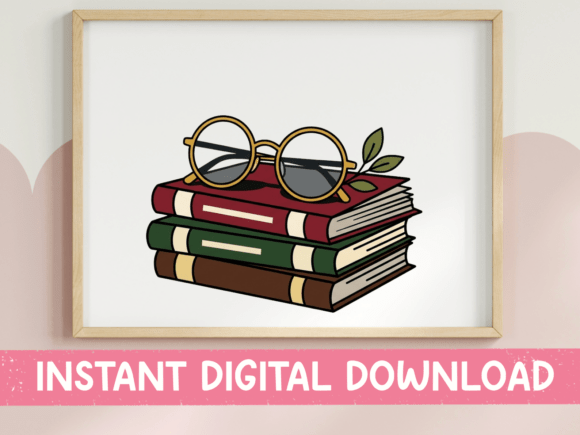
This design’s success lies in its simple, evocative composition. Three hardcover books in deep red, forest green, and brown, with the glasses resting atop, create an instant narrative. The layout is balanced and stable, perfect for a clean embroidery focal point. The detail level is thoughtful: it suggests texture without demanding an impossibly dense fill stitch that could overwhelm thinner fabrics. This is a design with a visual personality—warm, intellectual, and slightly nostalgic. It feels like it belongs on items meant for comfort, reflection, or gift-giving.
Where This Design Finds Its Perfect Home
In my work, I picture designs on real products. For Stacked Books with Reading Glasses, I see a few natural fits. Imagine it stitched onto a canvas tote bag for a local bookstore or a library fundraiser. It would elevate a simple sweatshirt into a statement piece for a book lover. As a small, delicate embroidery on a baby blanket or nursery pillow, it becomes a sweet nod to a family’s love of stories.
It’s also ideal for the craft business ecosystem. An Etsy seller could offer it as a custom embroidery on aprons for teachers or personalized holiday gifts for grandparents. As an embroidered patch, it could be applied to jackets or backpacks. The theme is universally appreciated but feels personal, which is a goldmine for small shop products and personalized gifts.
Navigating the Practical Stitching Landscape
Moving from concept to hoop, here’s where a designer’s practical judgment comes in. This design, with its clean lines and distinct color blocks, should translate well into stitching. However, its performance hinges on thoughtful application.
On custom apparel like t-shirts or lightweight sweatshirts, using a proper stabilizer is non-negotiable to prevent puckering, especially in those solid-color book blocks. For dark fabric, you’ll need to check thread color contrast; the forest green and brown might need slightly brighter thread shades to pop. On curved surfaces like caps, the rectangular book shape could pose a challenge—test placement carefully.
The glasses are a key detail. Their thin lines and the tiny lens circles require stitching clarity. On textured fabrics like some blanket materials, or on very small hoop sizes, these fine details might lose definition. Always test the design on scrap fabric first, particularly if you plan to use it on items needing frequent washing, like kitchen towels or baby clothes, to ensure the stitches hold up.
How This Design Elevates Your Project and Your Business
From a commercial perspective, a design like this does more than decorate a product. It enhances product value. A tote bag with this embroidery feels more thoughtful, more handmade, than a plain one. For a creative entrepreneur, it supports brand consistency if your shop leans into literary, cozy, or academic themes.
Its giftability is high, boosting buyer engagement in your Etsy listings or craft fair products. It conveys a professionalism because it’s a complete, attractive scene, not a fragment. This builds customer trust in your craftsmanship. Using it in printable mockups or as a digital product preview can effectively sell the dream of the finished product.
Essential Designer Notes Before You Hoop
My final advice is always procedural. For Stacked Books with Reading Glasses:
- Review stitch density in the provided file. Those solid book covers could be dense; adjust if needed for your fabric weight.
- Confirm hoop size requirements. This isn’t a micro-design; it needs adequate space to breathe.
- Inspect small details like the glasses and book edges in your software preview.
- Test it in black and white mockups to understand its form separate from color.
- Compare light and dark fabric backgrounds digitally to plan your thread palette.
- Crucially, check whether the design works for both personal and commercial projects, and confirm licensing before selling finished items or using it as a commercial embroidery asset. This is fundamental for any digital embroidery file.
A Real-World Scenario: The Custom Embroidered Tote
Let’s walk through a real case. A client requests a gift for a retiring professor. I choose a sturdy, natural canvas tote and select this machine embroidery design. I stitch it centered, using threads that match the described deep red, forest green, and brown, but perhaps a shade brighter for the green on the canvas. The result is a finished product that’s instantly recognizable and deeply appropriate. The design’s clarity and theme do the talking. It doesn’t just look nice; it feels meaningful. That’s the power of a well-chosen embroidery design in practice—it completes the story the product wants to tell.
In essence, Stacked Books with Reading Glasses is a strong, emotive design for a wide range of embroidery projects. Its success lies in pairing its charming concept with your technical diligence. Stitch it with care, place it on the right product, and it will resonate with every reader who sees it.