From Digital File to Stitched Reality: A Designer's Take on the Stressed Thermometer Kawaii Character
When you download an embroidery file, you’re not just getting a graphic; you’re committing to a project. As a designer and reviewer, my first question is always: how will this look when it’s actually stitched? Looking at the Stressed Thermometer Kawaii Character, I immediately see a design that’s more than a simple graphic. It’s a mood, a relatable statement, and a specific kind of handmade product waiting to happen.
The Immediate Impression: A Character That Connects
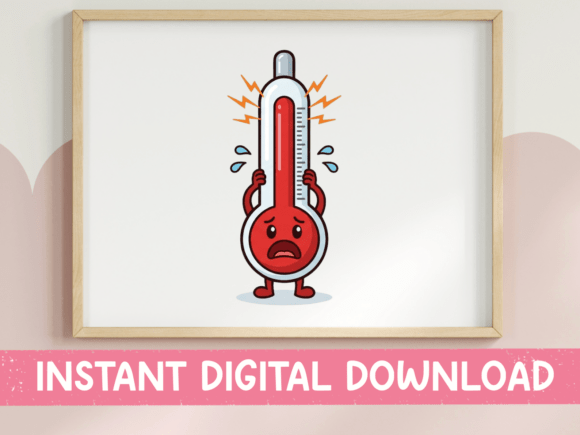
This design lands with a distinct personality. It’s not a generic kawaii icon; it’s a narrative. The red-filled thermometer, the genuinely distressed little face, the sweat drops, and those flailing arms tell a complete story of being “absolutely overheated.” The mood it creates is humorous, empathetic, and deeply human. For healthcare workers, students, parents, or anyone juggling a hectic life, this character is a badge of shared experience. From a visual personality standpoint, the layout is clever—the central thermometer shape provides a strong, clean outline, while the expressive face and details nestle within it, creating a focal point that’s both detailed and cohesive.
Where This Design Naturally Belongs
Given its theme and expressive nature, the Stressed Thermometer Kawaii Character feels destined for personal-use items and personalized gifts. I’m picturing it stitched onto a comfy, well-worn sweatshirt for a nurse friend, or on the breast pocket of a relaxed apron for someone who loves cooking but finds the kitchen chaos overwhelming. It’s perfect for a custom embroidered tote bag—a daily carry that makes someone smile amidst the stress. For a craft business or Etsy seller, this design could anchor a line of “self-care” or “work life” merchandise, like tea towels for a hectic office kitchen or a simple embroidered patch that customers can add to their own gear.
Stitching Considerations: Bringing the Character to Life on Fabric
In real-life embroidery situations, the success of this design hinges on clarity and contrast. The distressed face and small sweat drops are key to the expression. On a baby clothes item or a pillow cover, you want those details to remain crisp. This means carefully considering stitch density and hoop size. A too-small hoop might compress those elements, losing the charm. Always test the design on scrap fabric first, especially a fabric similar to your final project. Check the thread color contrast; the red fill of the thermometer against the face and background will need to be distinct to keep the visual hierarchy.
For custom apparel like t-shirts or sweatshirts, using a proper stabilizer is non-negotiable to prevent puckering, especially with the likely solid red fill stitch area. On stretchy fabric or thin fabric, that density could cause distortion. For caps or other curved surfaces, the thermometer’s elongated shape should lay well, but you’ll need to secure it properly during hooping to avoid skewed angles.
Where to Exercise a Bit More Caution
This design’s strength is in its details, which also points to areas for careful use. On dark fabric, the choice of thread for the thermometer’s outline and the face becomes critical—you might need a slightly brighter or more opaque white or light color to maintain the kawaii brightness against a dark background. Tiny lettering isn’t present here, but the small sweat drops and facial features are analogous; they need to be stitched cleanly. On textured fabrics like some blankets or towels, fine details can get lost in the weave. Also, for products destined for frequent washing, like kitchen towels or kids’ items, ensure your stitch settings and stabilizer choice create a durable result.
The Impact on Your Project and Your Customer
When you stitch this design well, it elevates a simple item. The visual appeal is high because it’s both cute and clever—a combination that boosts buyer engagement. For a handmade presentation in a small shop or at a craft fair, it shows thoughtfulness; you’re offering something with emotional resonance, not just a decorative motif. This enhances perceived product value and builds customer trust—they see you understand a niche sentiment.
For giftability, it’s excellent. A custom embroidered tote bag or sweatshirt embroidery with this character becomes a personalized, “I get you” present. For brand consistency, if your craft business focuses on humorous, relatable designs, this file fits perfectly into that portfolio. As a digital embroidery file, it also works well for creating printable mockups to showcase your products in online listings.
A Designer’s Practical Notes Before You Hoop
Before running this machine embroidery design, a few final checks will save you time and materials. First, review stitch density in your software if possible; a very dense red fill might require adjusting for lighter fabrics. Inspect small details like the flailing arms and sweat drops on your screen to anticipate any potential stitching issues. Test it in black and white mockups or compare light and dark fabric backgrounds digitally to plan your thread palette. Crucially, as this design is categorized under T-Shirt Designs and Graphics, confirm its licensing terms before using it for commercial embroidery projects or selling finished items. Always ensure it’s cleared for both personal and commercial projects if that’s your intent.
In the end, the Stressed Thermometer Kawaii Character is a delightful and usable design. Its success lies in its relatability and clear visual storytelling. With practical preparation—choosing the right fabric, stabilizing properly, and respecting its detailed charm—it will stitch out into a finished product that feels both professionally made and genuinely heartfelt, whether it’s destined for a gift, your own wardrobe, or your small business’s next best-selling item.