Mr. Joshua Bunny: A Designer's Personalization Test
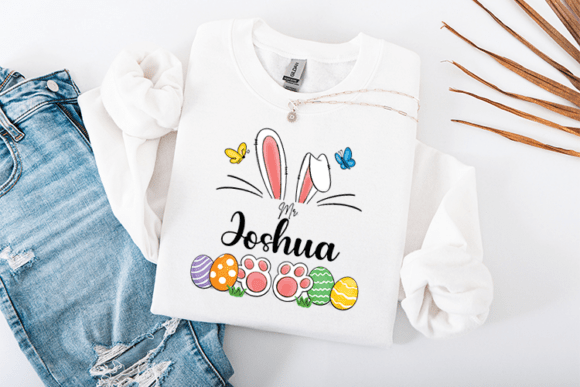
When I first opened the 'Personalized Mr. Joshua Easter Bunny Ear' file, my immediate thought wasn't about Easter—it was about charm. This design has a specific, gentle personality. The hand-drawn whiskers and those soft, rounded ears create a mood that’s both playful and sweet. It feels like a design made for a gift, not just a graphic. The layout, with the name framed so centrally, tells me this isn’t meant to be a tiny accent. It’s a statement piece, the kind of embroidery you put on something meant to be treasured.
The Natural Home for This Bunny
In my mind, I immediately pictured it on a child’s item. A cozy sweatshirt, a nursery pillow cover, or the center of a baby blanket. But its appeal isn’t limited to kids. I ran through a mental catalog of my recent client requests: a custom tote bag for a grandmother, an apron for a family Easter brunch, a simple tea towel as a holiday hostess gift. This bunny design would fit perfectly into those scenarios. It has that handmade presentation that elevates a simple product. For an Etsy seller or a small shop, stitching this onto a high-quality cotton twill tote instantly creates a boutique product with strong giftability.
The detail level is interesting. It’s not overly complex, which is good news for embroidery clarity. There are no minuscule corners that would turn into a blur of thread. The shapes are generous, suggesting it will translate well into satin stitches and clean fills. That means it’s likely to perform well on a variety of fabrics—from the smooth surface of a pillow cover to the slight texture of a cotton cap. I would, however, be cautious about very stretchy fabrics or super-thin materials like some t-shirts. The filled areas and the name require good stabilizer to keep everything looking sharp, especially after frequent washing.
Seeing It Through a Customer’s Eyes
As a designer reviewing for real project use, I always think about the end buyer’s reaction. Here, the personalization is the key feature. ‘Mr. Joshua’ isn’t a placeholder; it’s the hook. On a finished product, that name creates instant recognition and emotional connection. It turns a generic holiday graphic into a custom heirloom. For creative entrepreneurs selling personalized gifts, that’s where the product value and customer trust really build. The design’s friendly visual appeal supports that—it looks professional and crafted, not mass-produced.
I imagined a real case: a client orders an embroidered patch with this design for their child’s school bag. The patch gets sewn on, used daily, and washed often. How does the design hold up? The generous shapes should help. Small, dense stitch areas can wear differently, but here, the bunny ears and the lettering seem to have enough space to maintain their definition. That’s crucial for commercial embroidery projects where durability is part of the brand consistency.
Practical Notes Before You Hoop It
Before running this embroidery file on any machine, my standard advice applies. Test it on a scrap of your intended fabric first. This is non-negotiable. You need to see how the stitch density interacts with your material—a thick sweatshirt fleece might need different settings than a flat canvas tote bag. Check the thread color contrast against your background. This design, with its likely light-colored fills, will pop beautifully on darker fabrics but might require a thoughtful color palette on lighter ones to maintain visual appeal.
Always confirm the hoop size requirement. While the product category is listed as T-Shirt Designs and Graphics, that doesn’t automatically tell us the dimensions. The design’s layout suggests it needs a decent area to shine—I wouldn’t try to cram it into a very small hoop. For items like caps with curved surfaces, you’d need to ensure the design’s proportions adapt well without distorting the cute bunny shape. Inspect the small details in the whiskers and any interior lines in a preview; make sure they’ll be clear and not lost in the embroidery process.
A great practice is to test the design in simple black and white mockups. This helps you focus on form and clarity without color distracting you. Compare how it looks on both light and dark fabric backgrounds in your software. This digital embroidery file is an asset, and treating it with this preparation ensures your finished product meets expectations.
Where to Use With Extra Care
Some applications demand a bit more forethought. If you’re considering it for something with a lot of texture, like a certain type of blanket, the raised stitches might interact differently with the surface. Tiny lettering within the name frame could be a concern if the design is scaled down too much—always keep the name readable. For decorative accents on already layered garments, like a jacket with many seams, placement is key to let the design breathe.
And a final, essential note for all makers and small business owners: confirm the licensing terms before selling finished items or incorporating this into your commercial design assets. Knowing whether you can use it for personal projects, client work, and digital product previews is fundamental to your professionalism and peace of mind.
The ‘Personalized Mr. Joshua Easter Bunny Ear’ design, from a practical designer’s viewpoint, is a strong candidate for projects where heartfelt presentation matters. It’s not just a graphic; it’s a framework for making someone feel special. When stitched well on the right product, it tells a story—and that’s what turns a craft into a cherished product.